Paula Vicente School
Following the city’s urban tradition — where the medieval fabric was partially reorganized according to Roman logic — the school project is built on the coexistence of inherited irregularity and introduced order. The existing buildings, with their fragmented and accumulative composition, reflect the organic and adaptive character of the medieval city — an architecture of juxtaposition, where spaces unfold contingently, revealing the memory of time and use.
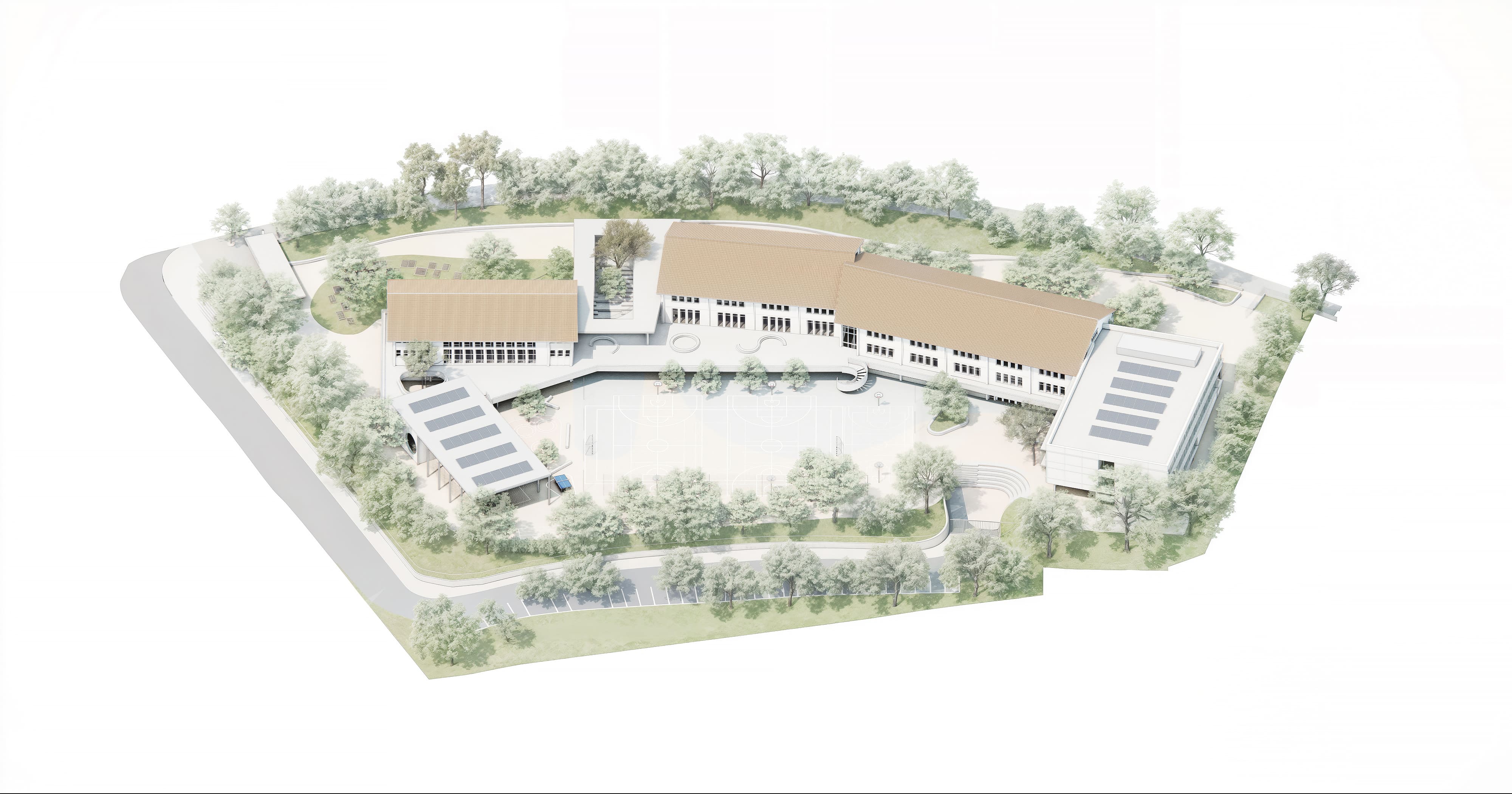
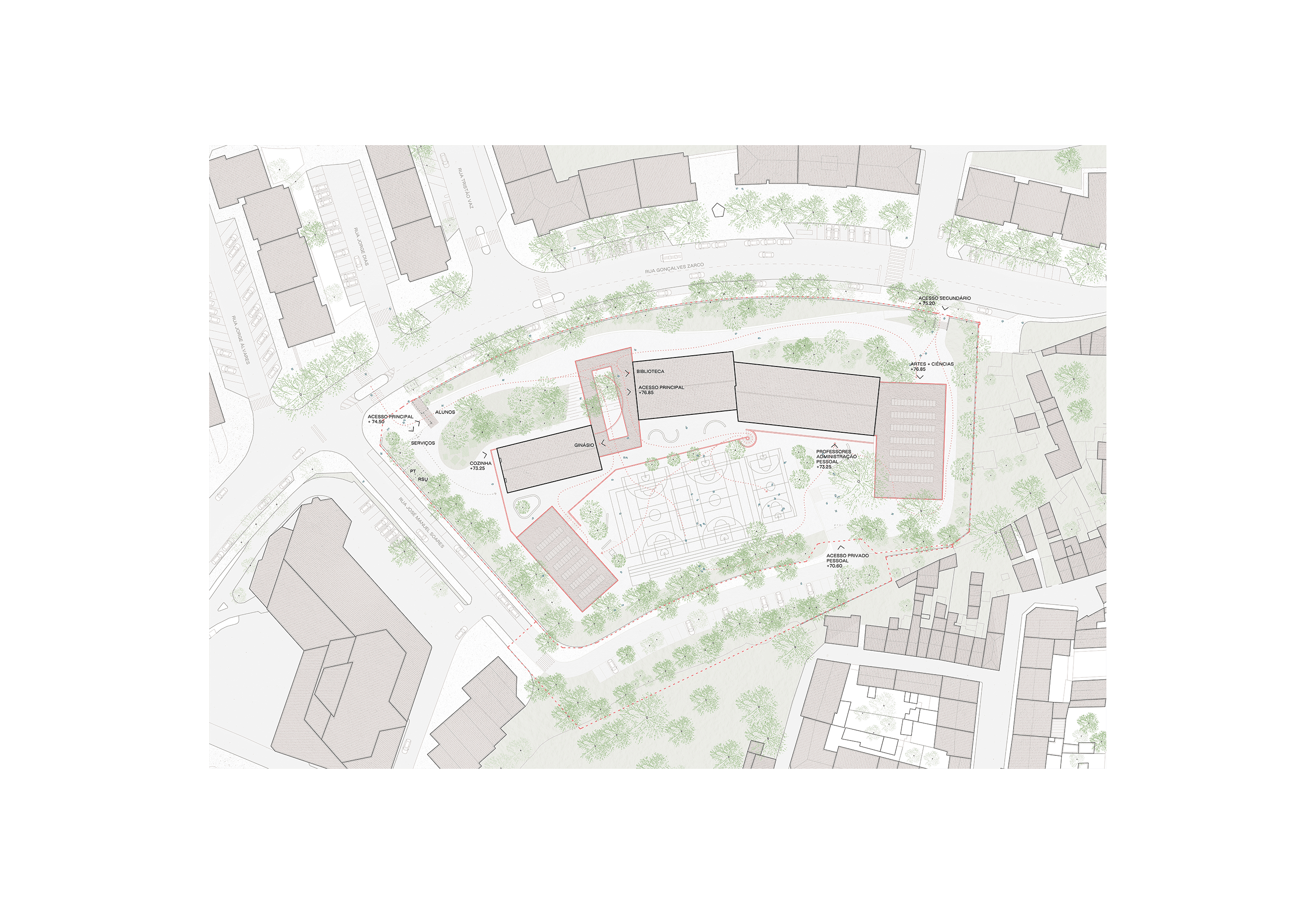
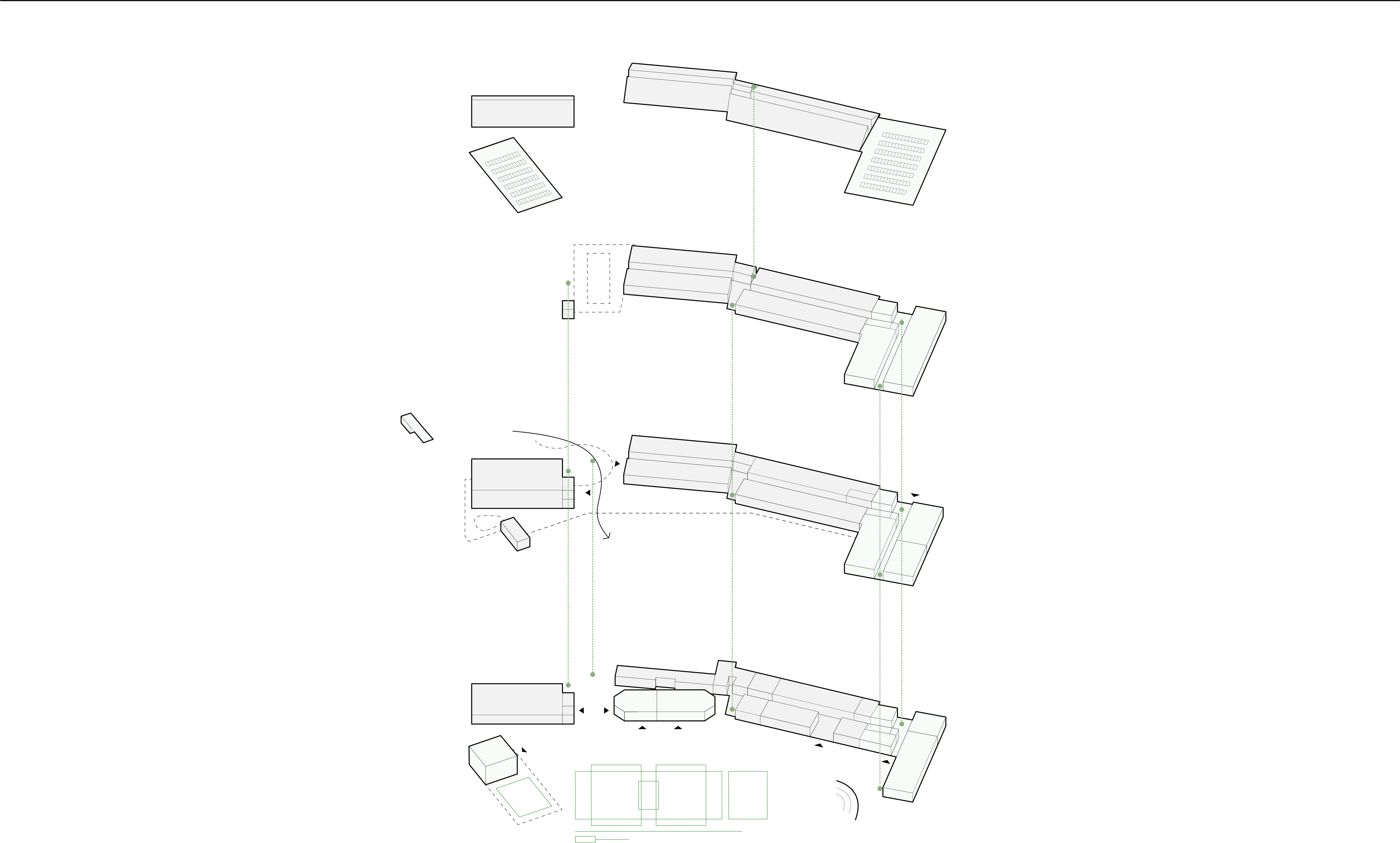

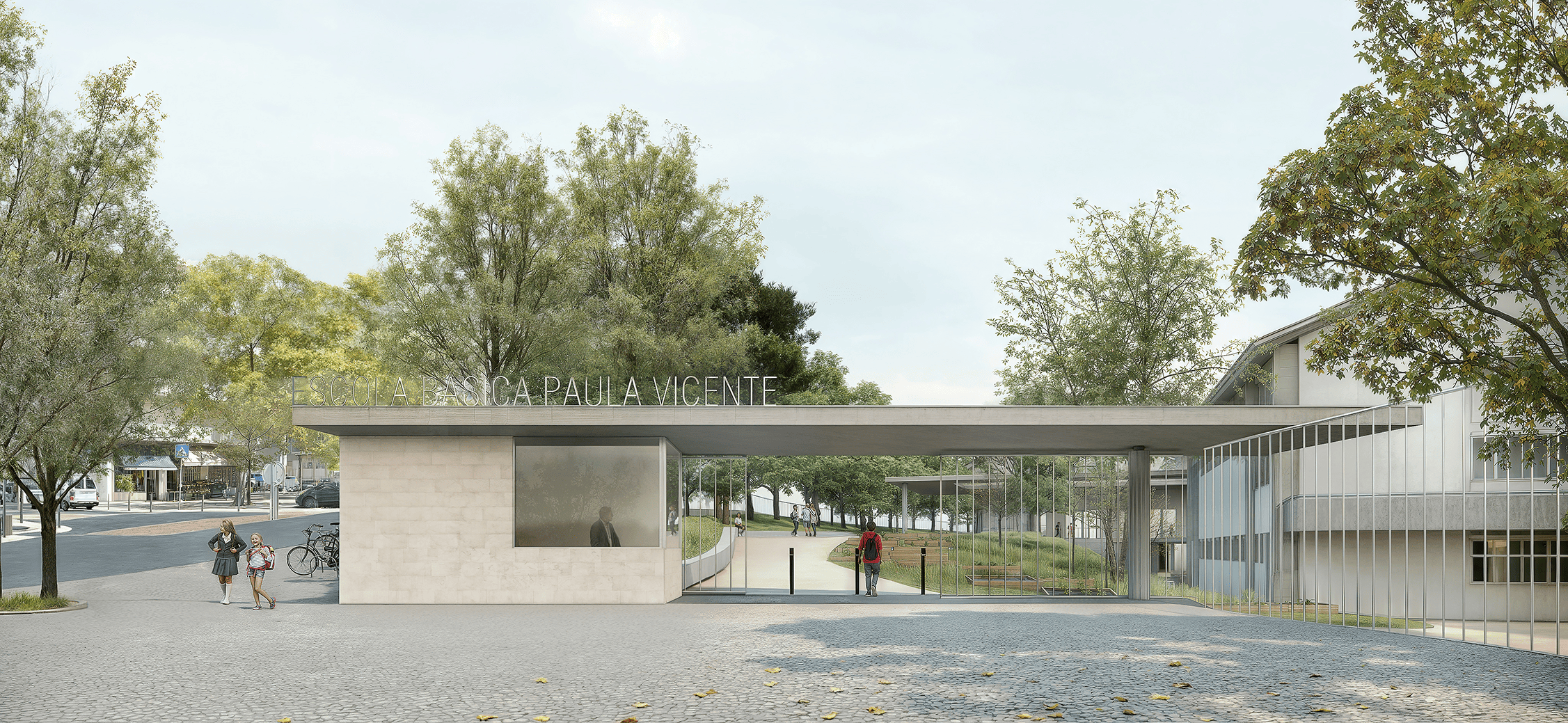
The proposal introduces a rational framework inspired by the Roman structuring axes — cardo and decumanus — which guides the complex with clarity, hierarchy, and continuity. This abstract structure does not erase the character of the existing fabric but rather reinforces its presence, organizing circulation, articulating volumes, and establishing relationships across time and function.
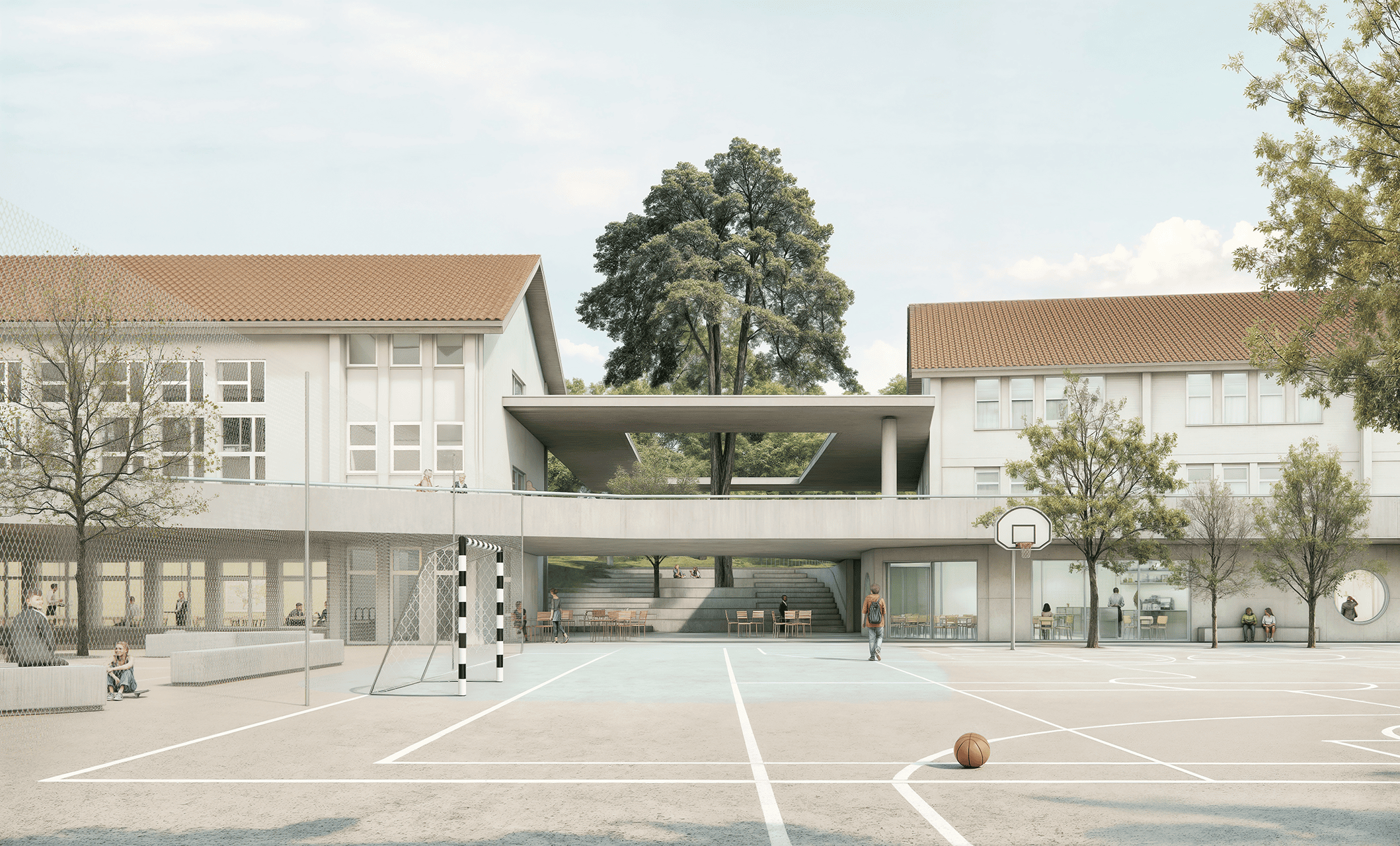
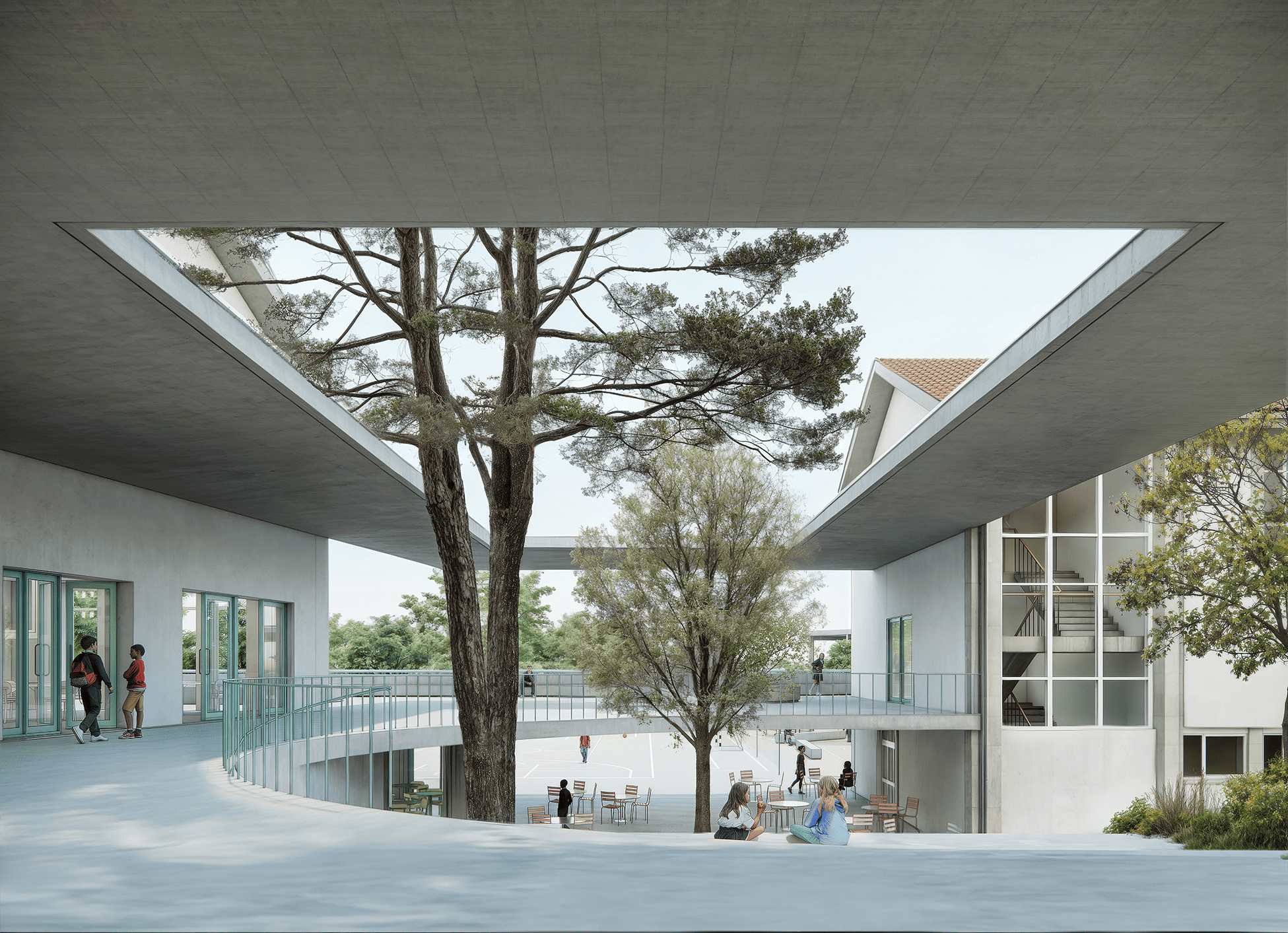
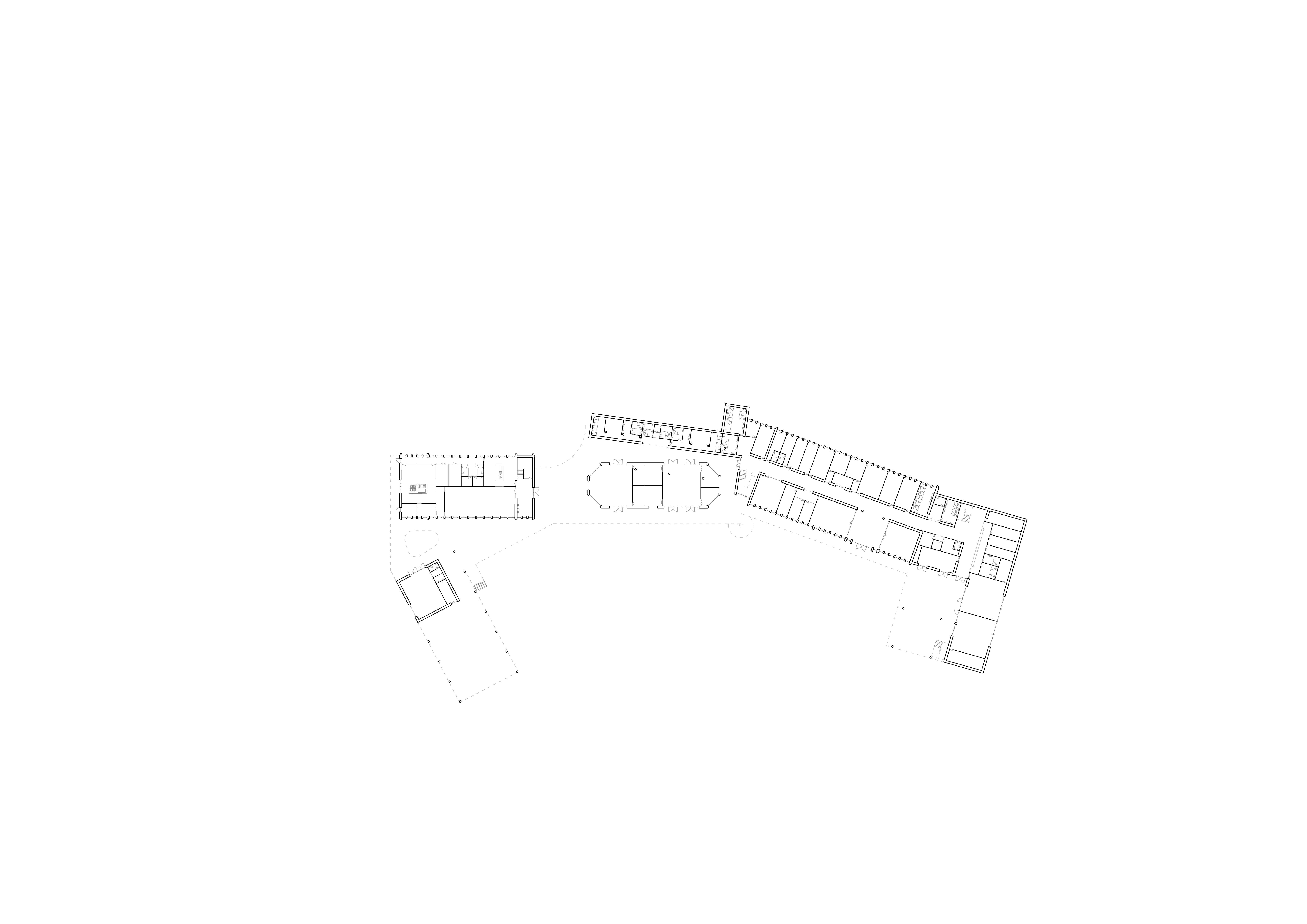
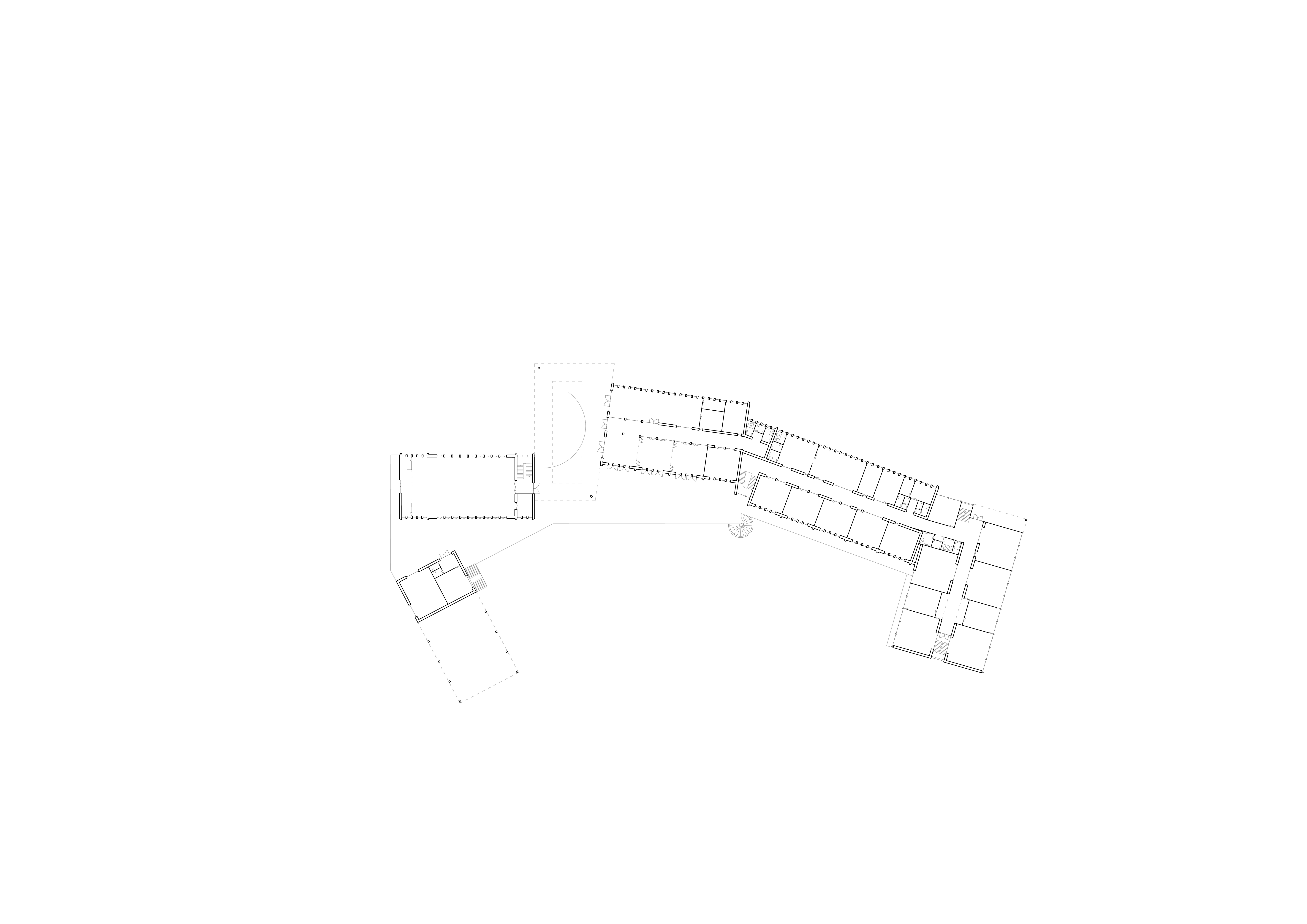
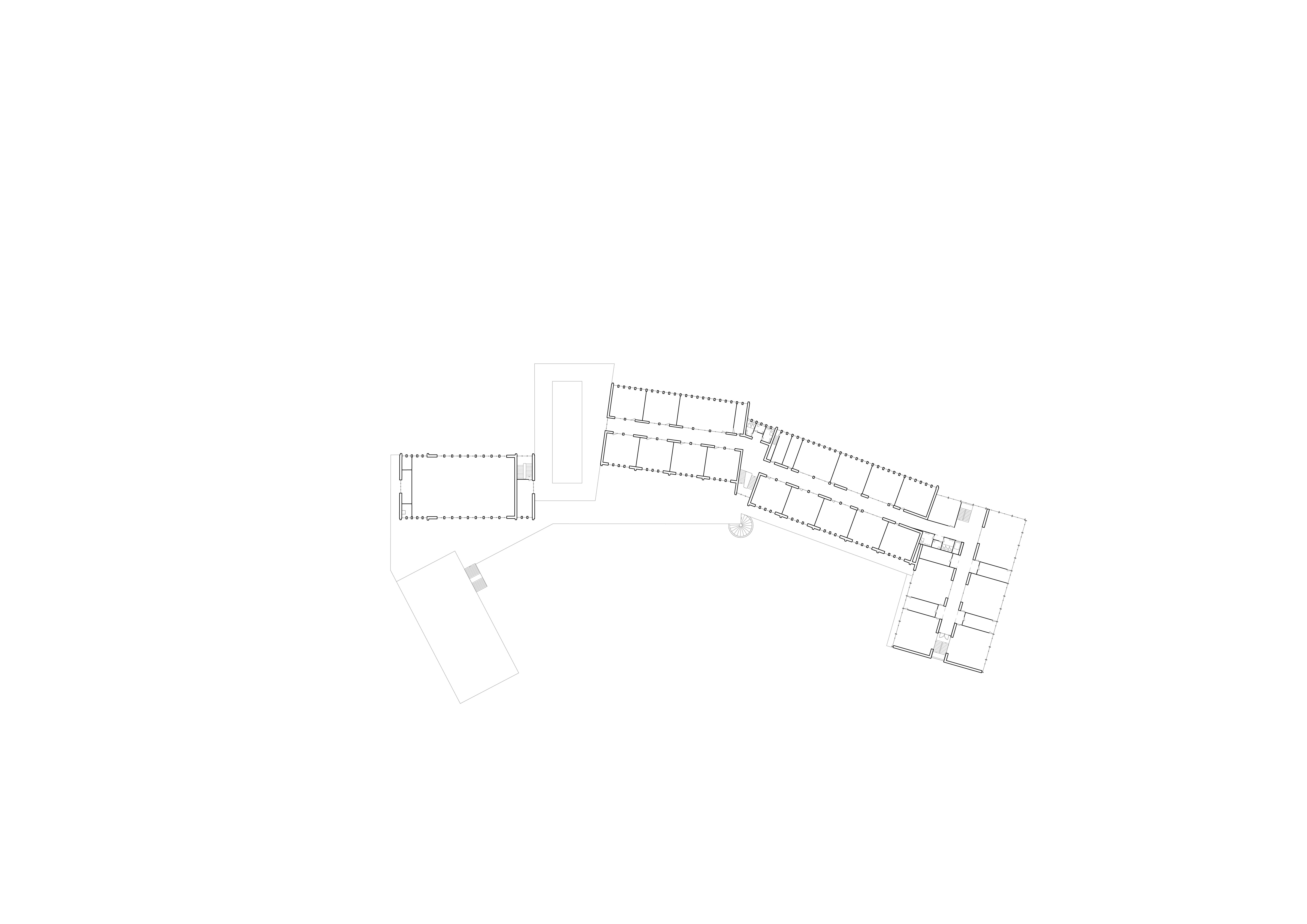
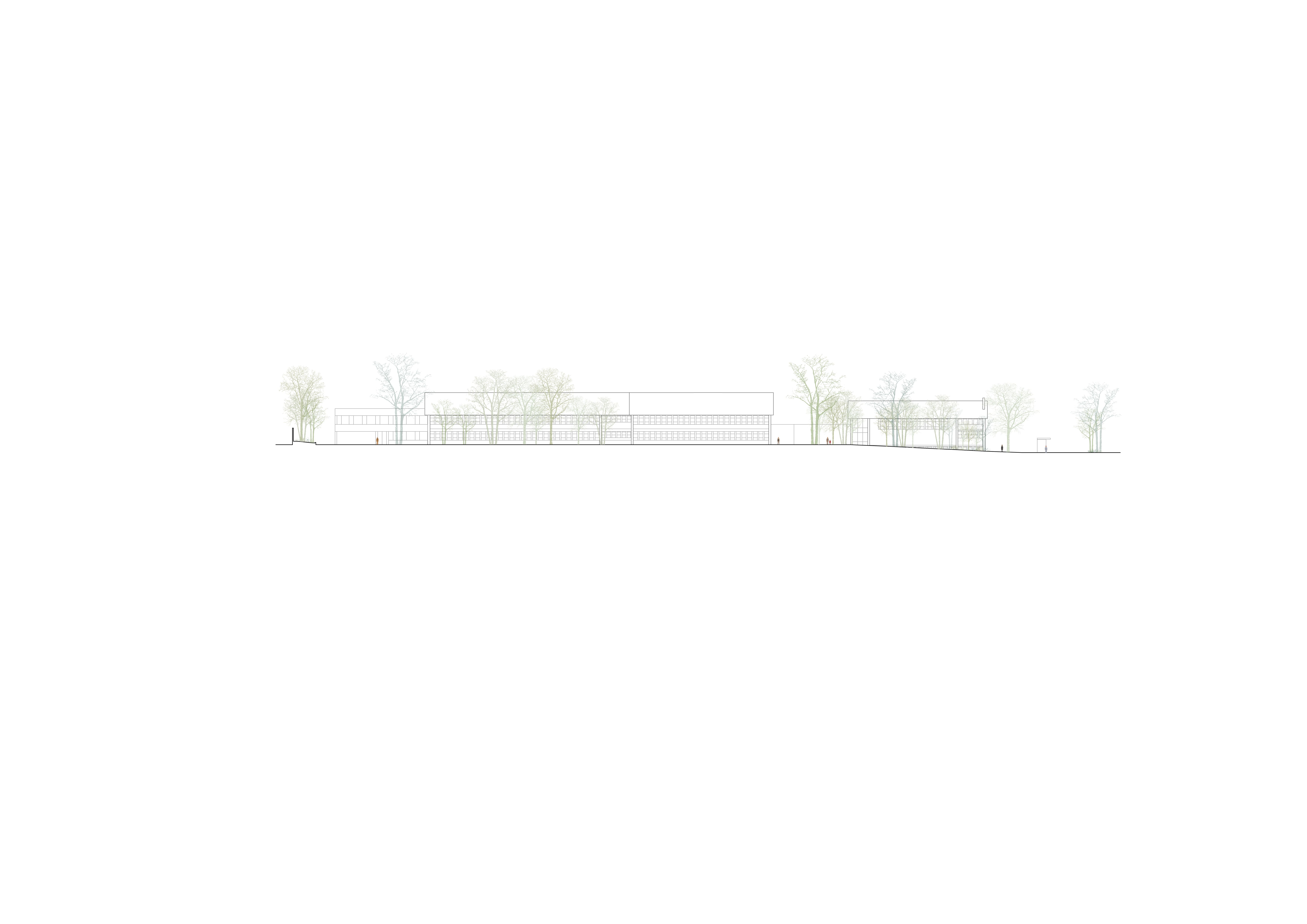
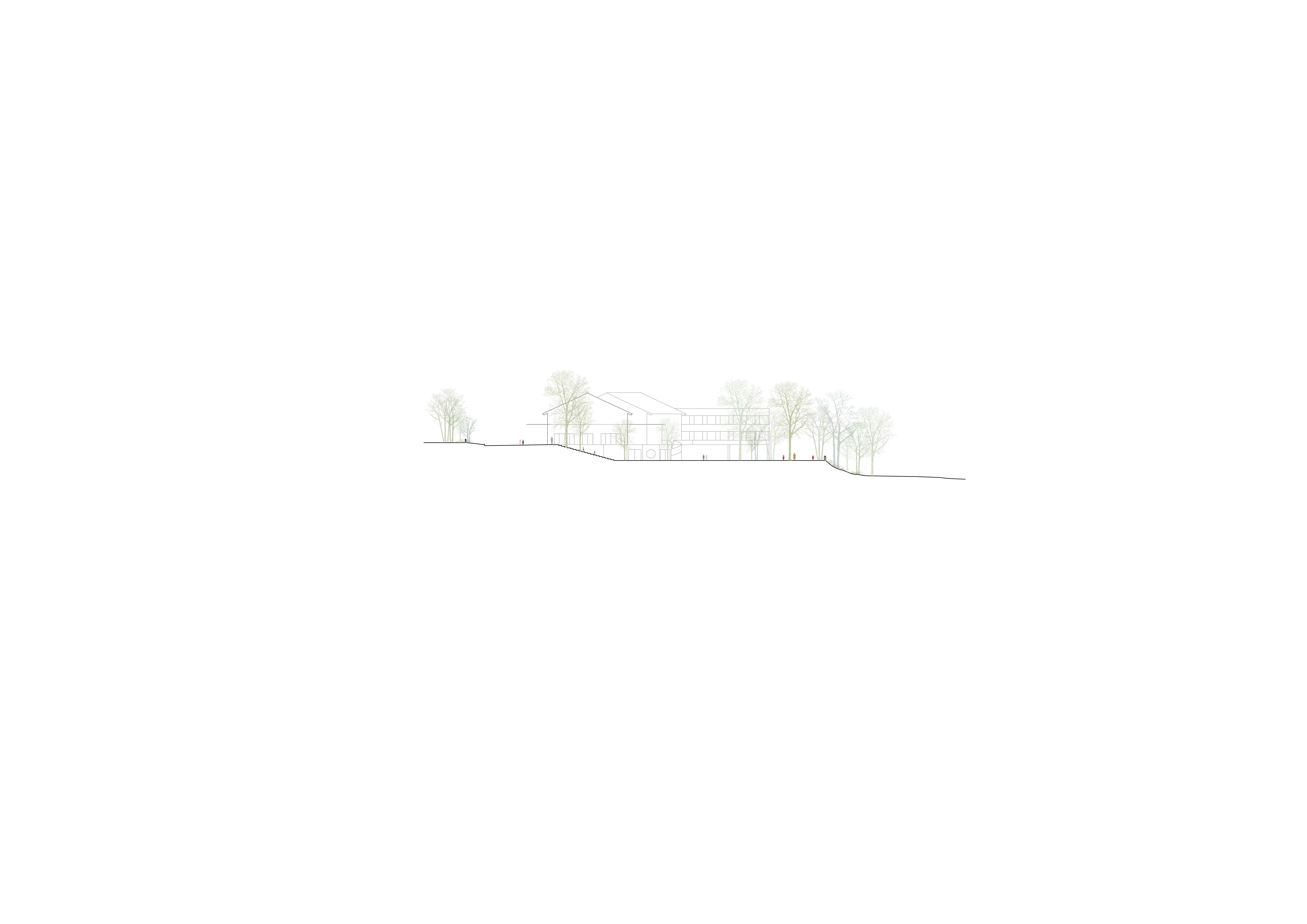
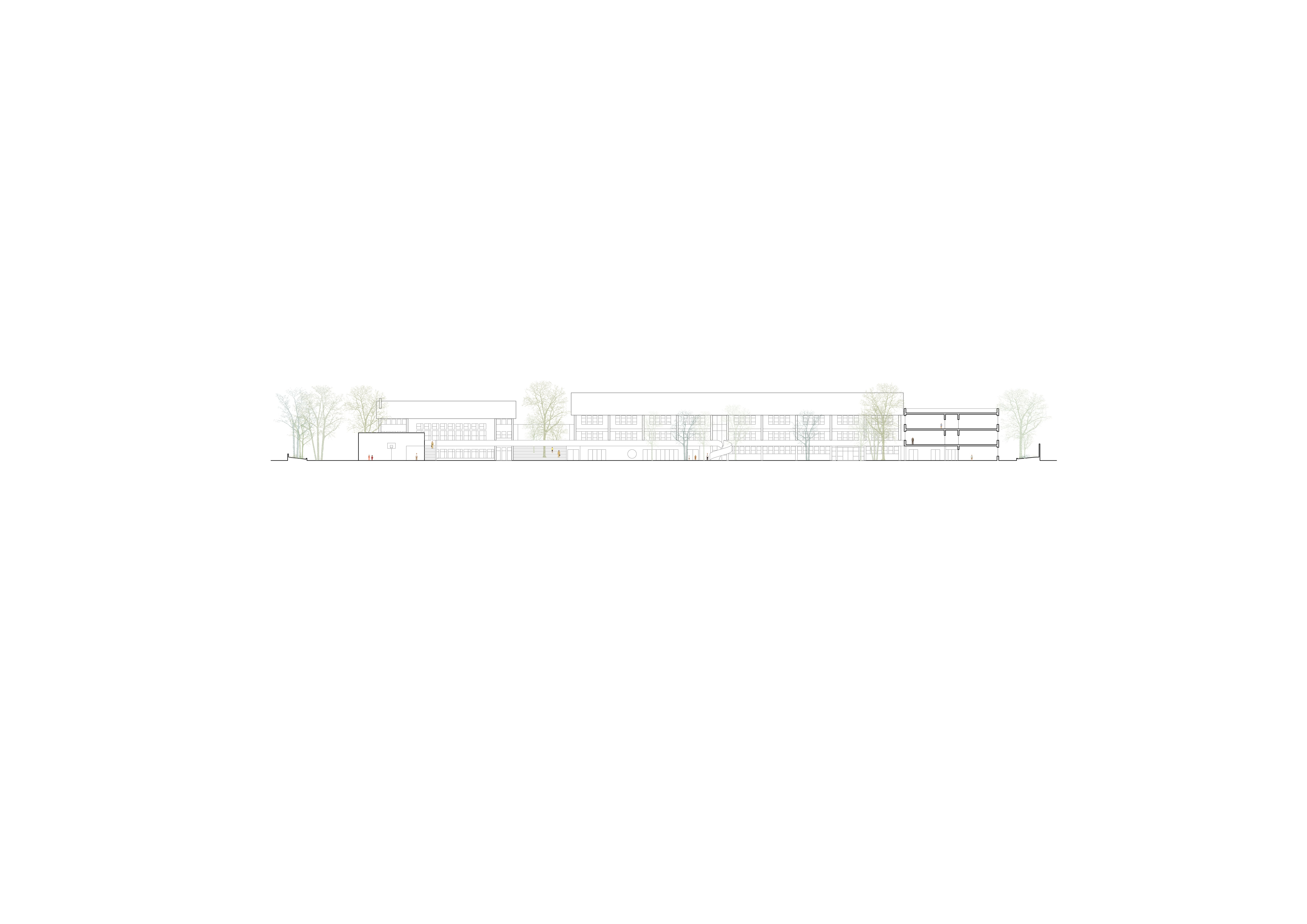
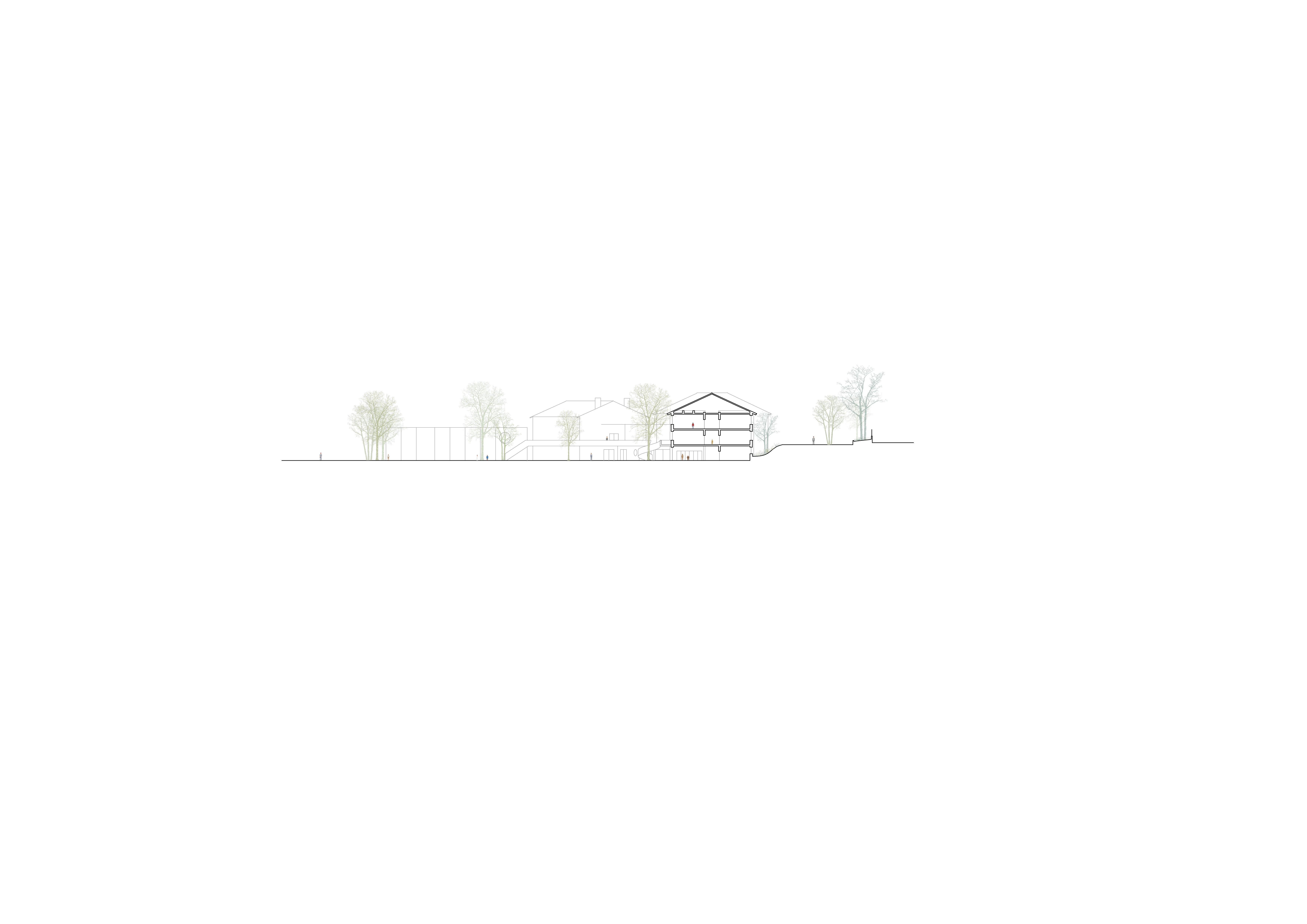

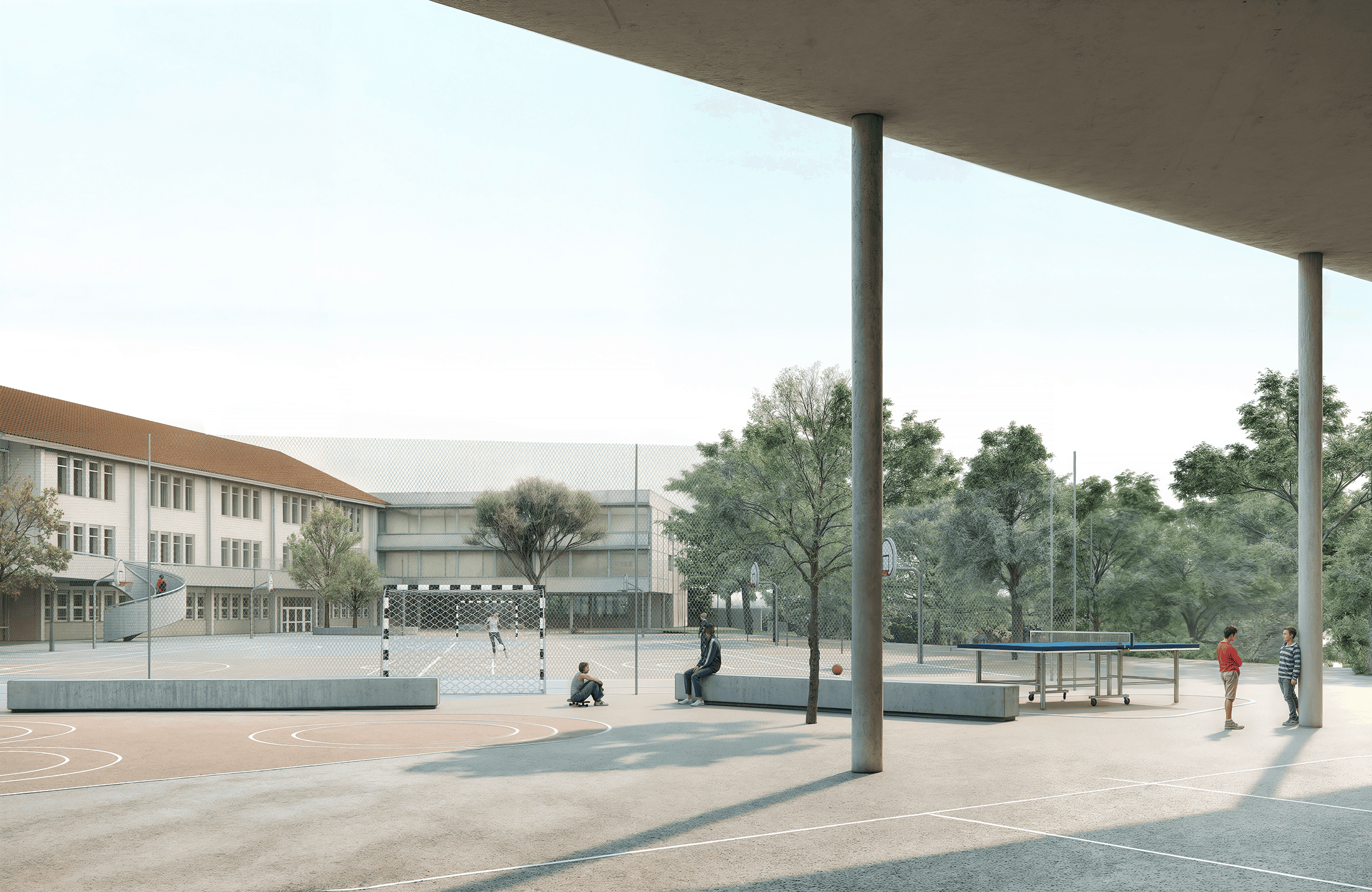
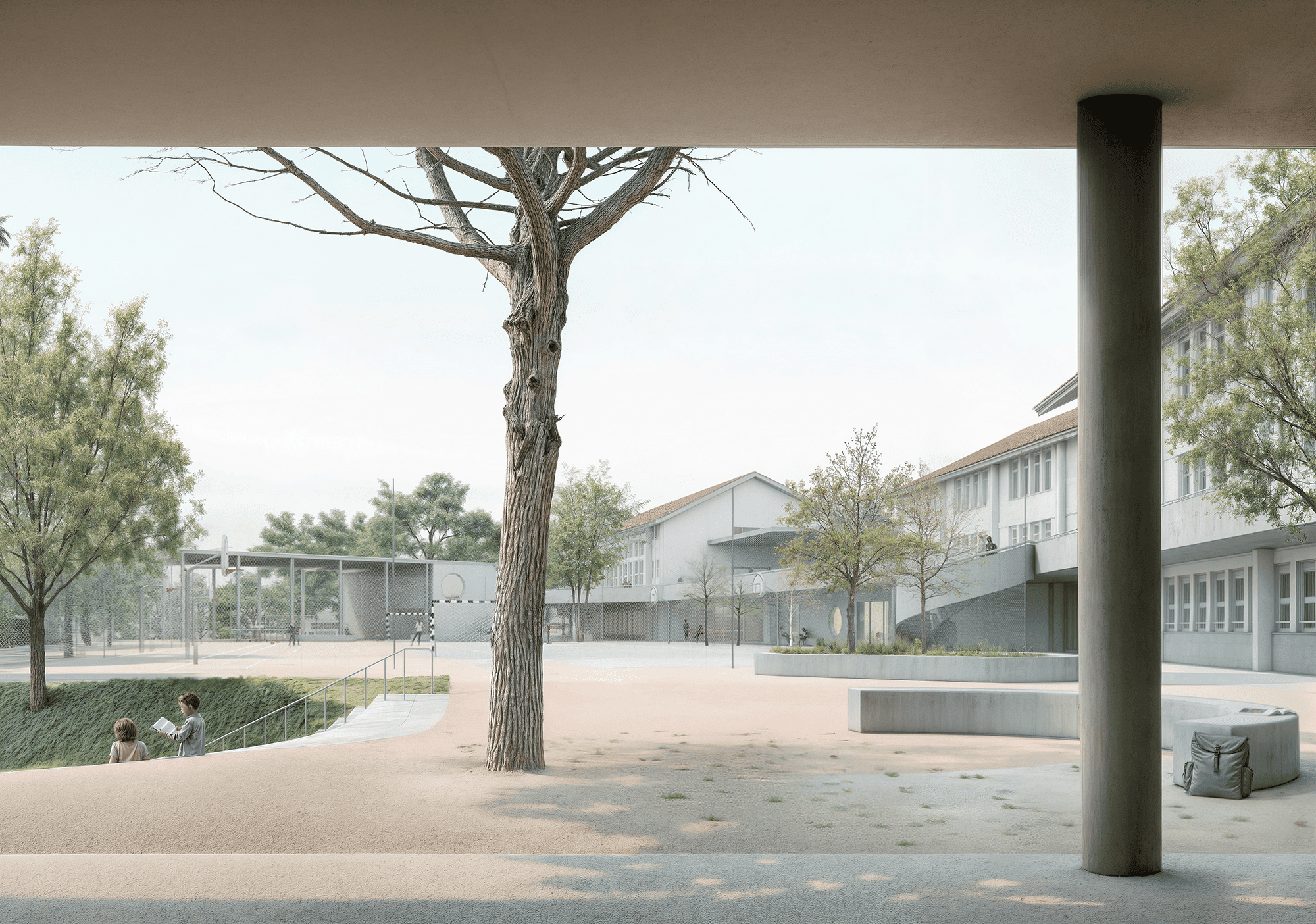
The spatial organization is based on clearly defined physical and visual axes that traverse the intervention, connecting new and existing volumes, interior and exterior, and establishing a coherent logic of alignment, scale, and spatial presence. One key gesture is the transformation of the former flat-roofed volume between the gym and the classroom building into a large covered outdoor playground — a functional and visual hinge linking different programs and providing direct access to the ground floor, emphasizing continuity from the entrance to the sports fields.

The outdoor spaces are conceived as pedagogical extensions: courtyards, passages, and landscaped areas become places for gathering, relaxation, and informal learning. The interplay of solids and voids, light and shadow, fosters a rich and dynamic experience of the school environment, where architecture accompanies and enhances the daily life of the educational community.
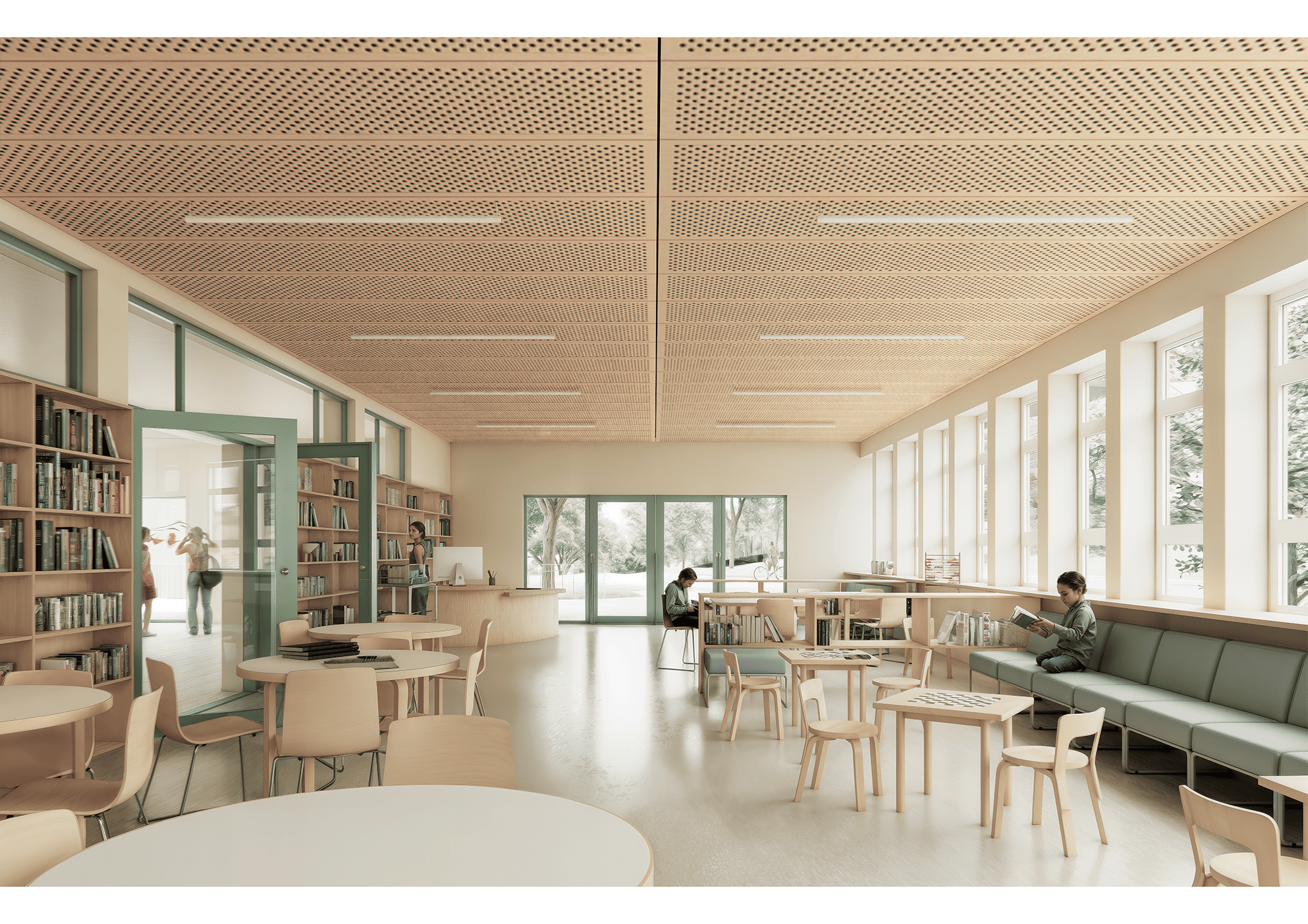
The intention of continuity is also expressed in the materiality and scale of the new volumes, which engage in dialogue with the existing buildings without resorting to mimicry. The intervention is thus more than a new construction — it is an operation of urban and temporal stitching. The school emerges as a place of permanence and transformation, where different layers of the city coexist and reveal one another. It is in this coexistence between past and future that the project finds its true public, cultural, and pedagogical significance.
Location
Type
Team
Elói Gonçalves, Leticia Guiraudeli, Haritsya Putri, Otto Mattsson
Client
SRU - Sociedade de Reabilitação Urbana
Landscape
Baum Atelier